
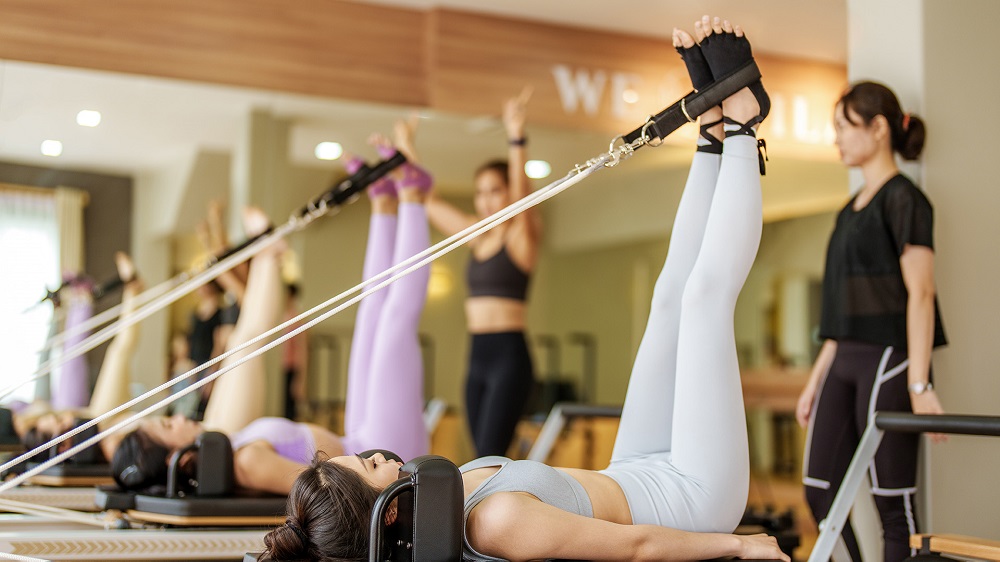
Business travel can compress several physical stressors into a short period. A traveller may sit through a long flight, carry luggage, sleep at unusual hours and move directly into meetings. The resulting stiffness and fatigue can create a strong desire for an intense workout, yet the body may benefit more from a measured return to movement than from trying to compensate for every sedentary hour at once.
A carefully scheduled pilates reformer session can provide supported movement and adjustable resistance after travel. It should not be treated as a cure for jet lag or a medical intervention for circulation problems. Its value lies in offering a controlled way to restore movement variety, assess current energy and rebuild routine without relying on high-impact exercise.
Travel Fatigue Is Not Just Tight Muscles
After a flight, people often describe tight hips, a stiff back or swollen feet. Prolonged sitting contributes to reduced movement variety, but fatigue may also reflect disrupted sleep, dehydration, irregular meals, time-zone change and the mental load of navigating airports and work obligations.
These factors affect exercise readiness. A traveller who feels stiff may assume that deeper stretching is required, while the more useful priority could be gentle movement, hydration, food and sleep. A reformer session should respond to the whole situation rather than chase one sensation.
Travellers with unusual swelling, chest pain, shortness of breath or other concerning symptoms should seek urgent medical advice rather than attend a class. Long journeys can be associated with blood-clot risk, particularly for people with additional risk factors. Exercise content cannot replace appropriate prevention or medical care.
The Best Session Time Depends on the Trip
Booking immediately after landing may sound efficient, but it is not always wise. Delayed flights, baggage queues and hotel check-in can turn the session into another deadline. The traveller may also be too tired to follow equipment instructions safely.
For a short regional journey with minimal time-zone change, a later session on the same day may feel manageable. After an overnight or long-haul flight, the following day often provides more space to sleep, eat and judge readiness.
The session should also fit the business schedule. Placing a challenging class just before a presentation can leave the traveller rushed or fatigued. A lower-intensity session after meetings may offer a clearer transition out of work mode.
Begin with a Readiness Check
Travel recovery should start before the first spring is selected. The participant can consider sleep quantity, dizziness, headache, hydration, muscle soreness and any new pain. An instructor should know that the person has recently travelled and whether the session needs to remain exploratory.
A simple readiness scale can guide decisions. If energy is low but stable and movement feels comfortable, a gentle session may be appropriate. If the person feels unwell, faint or unusually breathless, postponement is the sensible choice.
The purpose of the check is not to prove toughness. It is to select a session that leaves the traveller better prepared for the next day.
Restore Movement Variety First
Early exercises can use supported positions and comfortable ranges. Footwork moves the hips, knees and ankles while the torso rests on the carriage. Arm work with straps can introduce shoulder movement without requiring complex balance. Gentle spinal articulation may suit some participants when it is familiar and comfortable.
The aim is not to force maximum range. After hours of sitting, the nervous system may respond better to repeated, moderate motion than to aggressive stretching. Smooth repetitions allow the participant to notice whether stiffness changes as circulation and coordination improve.
Useful early-session priorities include:
- comfortable ankle, knee and hip movement;
- steady breathing without strain;
- symmetrical pressure where practical;
- low-complexity transitions;
- controlled carriage return;
- gradual exposure to larger ranges.
If movement quality improves, the session can progress. If fatigue or discomfort increases, remaining with simple work is not a failure.
Adjust Resistance to the Traveller, Not the Diary
A participant may normally use particular springs, but travel changes the context. Poor sleep can reduce concentration and make familiar loads feel different. Holding luggage may leave shoulders or forearms tired. A long day of walking at a conference may increase lower-leg fatigue.
The instructor can begin conservatively and adjust after observing several repetitions. Resistance should provide useful feedback without demanding maximal effort. A smaller range or slower pace can make a light-to-moderate load productive.
Returning to normal settings should be based on movement and recovery, not the number of days since the last class. Some travellers feel normal quickly, while others need several sessions.
Account for Jet Lag and Circadian Timing
Jet lag involves a mismatch between the body clock and local time. Exercise can influence alertness, but timing, light exposure and sleep strategy interact. A late, demanding session may make it harder for some people to wind down, while an early session may be unrealistic after a poor night.
Travellers should choose a class time they can attend safely and consistently. For a brief trip, preserving a familiar exercise rhythm may be helpful. For a longer stay, gradually aligning with local daytime can support the broader adjustment plan.
Claims that one reformer workout will reset the body clock should be treated cautiously. Movement may improve mood and reduce the sensation of stiffness, but jet lag recovery still takes time.
Fit the Session Around Meals and Hydration
Airport food, client dinners and skipped meals can disrupt normal fuelling. Attending a class immediately after a large meal may feel uncomfortable, while training under-fuelled can worsen fatigue or light-headedness.
A practical approach is to allow comfortable digestion time and have a light, familiar snack available when needed. Hydration should be restored gradually rather than through excessive water immediately before class. People with medical fluid or dietary restrictions should follow professional advice.
Alcohol can worsen sleep disruption and dehydration. A recovery session should not be used to “sweat out” the effects of a late business dinner.
Avoid Turning Recovery into Punishment
Travellers sometimes feel guilty about missed workouts or restaurant meals. That mindset can lead to excessive resistance, long sessions or extra classes packed into a short stay. Recovery training works better when it supports the next activity rather than repays a perceived debt.
A successful post-travel session might end while the participant still has energy. Moderate work can restore confidence and routine without adding soreness before another flight or full meeting day.
The same principle applies to frequent flyers. Their programme should account for total workload across home sessions, travel sessions, walking, sleep disruption and professional stress. More exercise is not always more recovery.
Choose a Familiar and Accessible Studio
Travellers benefit from clear booking information, realistic travel time and a class level that matches their experience. Arriving early allows time to explain recent travel and understand any equipment differences.
When returning to Singapore, a studio such as Yoga Edition can become a consistent point in the recovery routine. Familiar instruction and recorded preferences may reduce the effort of restarting, while the actual session can still be adjusted according to that particular journey.
Plan for the Next Flight
Recovery does not begin only after landing. During long-distance travel, public-health guidance commonly encourages regular leg movement and periodic walking when safe. Travellers with personal blood-clot risk factors should discuss prevention with a healthcare professional before the trip.
A reformer class before departure may support general movement, but it does not cancel the effects of prolonged immobility. The practical plan includes movement during the journey, appropriate hydration, sensible luggage handling, sleep preparation and a gradual return to exercise.
When sessions are placed within that wider plan, they become a repeatable part of business-travel resilience rather than an isolated fix.
Frequently Asked Questions
Should I book a reformer class immediately after landing?
Not automatically. Consider flight length, sleep, delays, hydration and symptoms. Later that day or the following day may be more practical after long-haul travel.
Can reformer exercise prevent a travel-related blood clot?
No class can guarantee prevention. Move during long journeys when safe and seek medical advice if you have risk factors or concerning symptoms.
Is a hard workout best for jet lag?
Not necessarily. Intense exercise may add fatigue, especially after poor sleep. Timing, light exposure, meals and rest also influence adjustment.
Which reformer exercises are suitable after a flight?
Familiar, supported exercises using comfortable ranges are often sensible. The exact choice should reflect experience, symptoms and instructor assessment.
What if my feet are swollen after travelling?
Mild swelling can occur after prolonged sitting, but new, severe, one-sided or painful swelling needs medical attention. Do not use exercise to self-diagnose it.
How soon can I return to normal resistance?
Use your current movement quality, energy and recovery as guides. Some people resume quickly, while others benefit from one or more lighter sessions.