
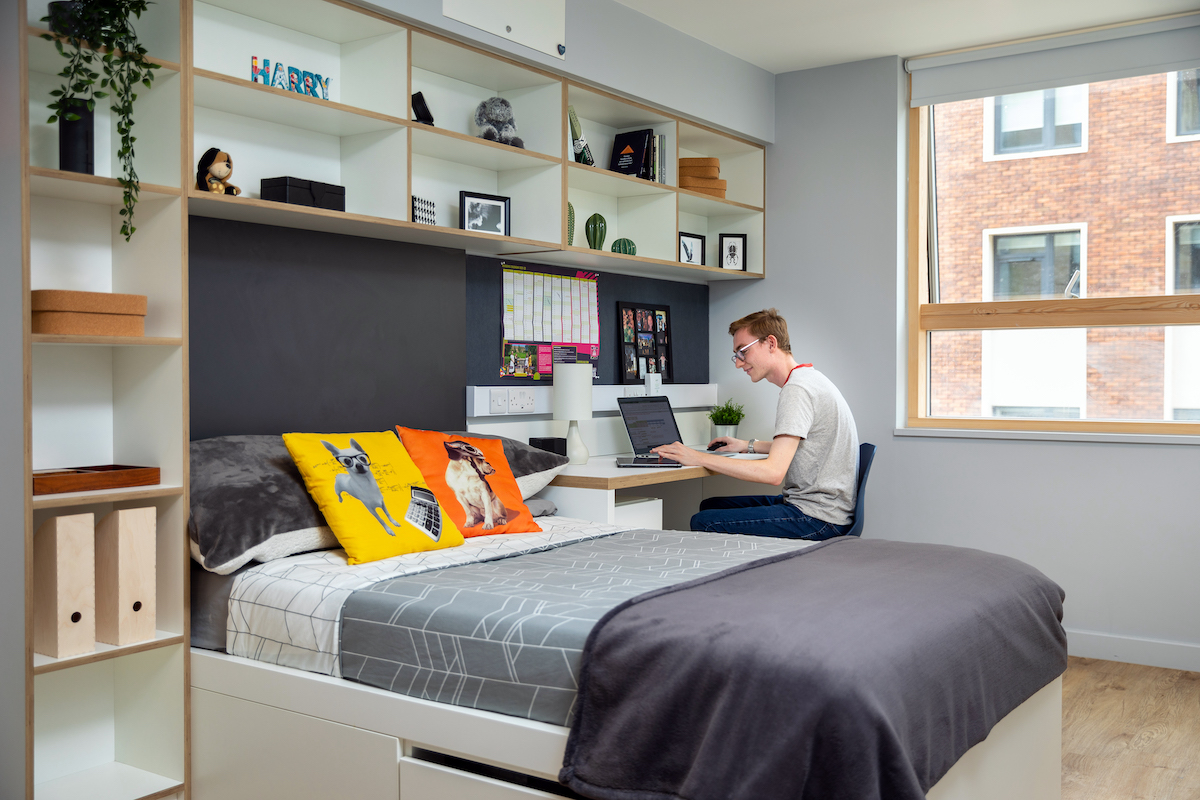
Accommodation is a fundamental aspect of travel, work relocation, or even temporary stays in unfamiliar cities. Choosing the right place to stay can significantly impact your experience, comfort, and budget. From hotels and hostels to serviced apartments and homestays, the accommodation landscape has evolved to cater to diverse needs. This guide explores all types of accommodation, offers tips for selecting the best options, and provides practical insights for travelers, students, and professionals alike.
Understanding Accommodation
Accommodation refers to any facility or space that provides lodging for individuals or groups, whether for short-term travel, long-term residence, or temporary stays. It encompasses a broad range of options, including hotels, motels, hostels, guesthouses, vacation rentals, serviced apartments, and homestays. The choice of accommodation often depends on factors such as location, budget, purpose of stay, and personal preferences.
Key Features of Accommodation:
- Lodging facilities that provide shelter and basic amenities
- Availability of services such as housekeeping, meals, or concierge
- Varied pricing models catering to different budgets
- Flexibility for short-term or long-term stays
Understanding the nuances of accommodation options can make your stay more comfortable, cost-effective, and convenient.
Types of Accommodation
Accommodation types vary widely based on purpose, budget, and preferences. Here are the most common types:
Hotels
Hotels are the most traditional form of accommodation, offering a range of services and amenities depending on the star rating. Luxury hotels provide premium services, including room service, gyms, spas, and fine dining, while budget hotels focus on affordability and essential services.
Pros:
- Professional staff and housekeeping
- Multiple facilities on-site
- Safety and security
Cons:
- Higher costs, especially in prime locations
- Less personal and home-like experience
Hostels
Hostels are budget-friendly accommodations, popular among backpackers, students, and solo travelers. They often feature shared dormitories, communal kitchens, and social spaces to encourage interaction among guests.
Pros:
- Affordable and social
- Flexible stay durations
- Opportunities to meet fellow travelers
Cons:
- Limited privacy
- Shared bathrooms and facilities
Guesthouses and Bed & Breakfasts
Guesthouses and B&Bs are smaller accommodations, usually family-run, providing a more intimate and homely environment. They typically include breakfast and may offer insights into local culture and attractions.
Pros:
- Personalized service
- Cozy and homely environment
- Often located in residential neighborhoods
Cons:
- Limited facilities compared to hotels
- May lack professional services
Serviced Apartments
Serviced apartments combine the comfort of a home with hotel-like services. They are ideal for long-term stays, offering kitchens, laundry facilities, and sometimes even gyms and lounges.
Pros:
- Home-like environment
- Cost-effective for long-term stays
- Flexibility in cooking and living arrangements
Cons:
- Limited short-term availability in some areas
- Fewer luxury amenities compared to hotels
Homestays
Homestays involve staying with local hosts, providing an authentic cultural experience. Guests gain insights into local customs, cuisine, and lifestyle while contributing to the local economy.
Pros:
- Immersive local experience
- Often more affordable than hotels
- Opportunities to learn about local culture
Cons:
- Less privacy
- Variable quality and consistency
Vacation Rentals
Vacation rentals, such as those listed on online platforms, are suitable for families, groups, or travelers seeking independence. These include apartments, villas, cottages, and private homes.
Pros:
- Ideal for groups or families
- Flexibility in living arrangements
- Often more spacious than hotels
Cons:
- Self-catering may be required
- Varies widely in quality and reliability
Factors to Consider When Choosing Accommodation
Choosing the right accommodation requires careful consideration of several factors:
Budget
Budget plays a crucial role in accommodation decisions. Travelers should balance cost with desired amenities, location, and duration of stay. Budget accommodations like hostels or guesthouses are ideal for short stays, while serviced apartments may be more cost-effective for longer periods.
Location
Location impacts convenience, accessibility, and safety. Staying near public transport, business centers, tourist attractions, or universities can reduce travel time and costs.
Amenities
Amenities such as Wi-Fi, air conditioning, laundry, parking, and meals can significantly enhance comfort. Travelers should prioritize amenities based on their personal needs and travel purpose.
Reviews and Ratings
Online reviews, ratings, and testimonials provide valuable insights into accommodation quality, service, and cleanliness. Checking multiple platforms can help avoid unpleasant surprises.
Duration of Stay
The length of stay often determines the best type of accommodation. Short-term travelers may prefer hotels or hostels, while long-term residents may benefit from serviced apartments or vacation rentals.
Safety and Security
Safety is paramount. Accommodation should have secure entry points, surveillance, and staff presence. Travelers should also assess neighborhood safety and emergency services availability.
Tips for Booking Accommodation
Booking accommodation efficiently can save money and ensure a smooth stay. Here are some expert tips:
- Book Early: Early bookings often offer better rates and more availability.
- Compare Prices: Use comparison platforms to identify the best deals and packages.
- Flexible Dates: Adjusting travel dates may reduce costs during peak seasons.
- Check Policies: Review cancellation, refund, and check-in policies.
- Direct Booking: Booking directly with accommodation providers can offer exclusive perks or discounts.
Accommodation for Different Travel Types
Different travelers have varying accommodation needs.
Business Travelers
Business travelers prioritize proximity to offices, meeting venues, and transport hubs. Hotels and serviced apartments with Wi-Fi, conference rooms, and workspaces are ideal.
Families
Families often require spacious accommodations, safety features, and child-friendly amenities. Vacation rentals and family suites in hotels provide convenience and comfort.
Solo Travelers
Solo travelers may focus on affordability, social opportunities, and safety. Hostels, guesthouses, and boutique hotels are popular choices.
Long-Term Residents
Long-term residents need comfort, affordability, and functional amenities like kitchens and laundry facilities. Serviced apartments or rental homes suit these requirements.
Trends in Modern Accommodation
Accommodation trends are evolving with technology, sustainability, and traveler expectations.
- Smart Rooms: Hotels now feature keyless entry, smart lighting, and app-controlled facilities.
- Eco-Friendly Stays: Sustainable practices, such as energy-efficient appliances and waste reduction, are increasingly important.
- Flexible Spaces: Co-living and hybrid accommodations offer flexible leasing options and community engagement.
- Digital Nomad-Friendly Options: Long-term rentals with coworking spaces and fast internet cater to remote professionals.
Conclusion
Choosing the right accommodation can make or break any travel or stay experience. From luxurious hotels to homely guesthouses, each type of accommodation serves unique needs. Understanding your preferences, budget, and purpose of stay ensures a comfortable, convenient, and enjoyable experience. Whether traveling for business, leisure, or long-term residence, prioritizing location, amenities, and reviews will help make an informed decision.
FAQs on Accommodation
1. What is the best type of accommodation for budget travelers?
Budget travelers often prefer hostels, guesthouses, or B&Bs, which provide essential amenities at lower costs and opportunities to meet fellow travelers.
2. How do I find safe accommodation in an unfamiliar city?
Check online reviews, prioritize areas known for safety, look for secure facilities, and consider recommendations from travel forums or local guides.
3. Are serviced apartments more cost-effective than hotels for long-term stays?
Yes, serviced apartments generally offer kitchen facilities, laundry, and larger spaces, making them more economical for extended stays.
4. What amenities should I prioritize when booking accommodation?
Wi-Fi, cleanliness, secure access, air conditioning, and proximity to transport or attractions are key amenities to consider.
5. Can vacation rentals provide the same level of service as hotels?
While vacation rentals offer space and privacy, they typically lack professional services like daily housekeeping or room service.
6. Are homestays suitable for solo travelers?
Homestays can be suitable if the host is reliable and safety measures are clear, but solo travelers should research and confirm security and privacy arrangements.
7. How far in advance should I book accommodation?
Booking at least a few weeks in advance is recommended, especially during peak travel seasons, to secure better rates and availability.