
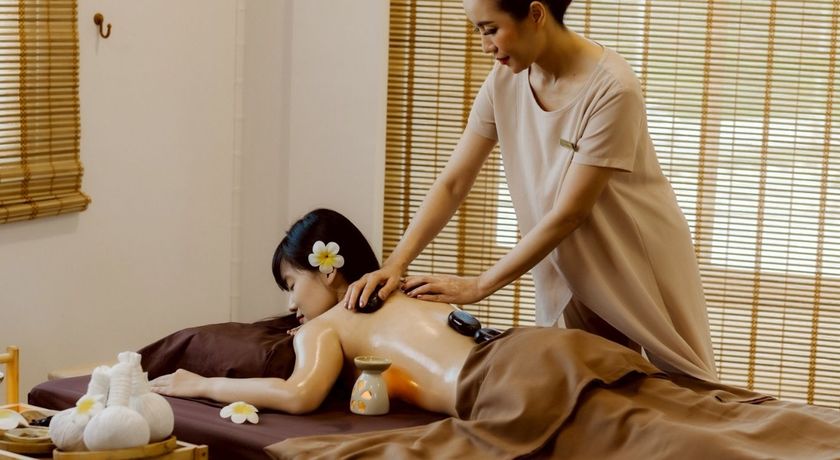
A busy trip can leave you feeling physically tired long before you are ready to slow the itinerary down. Temple visits, markets, day trips and hours spent walking all add up, which is why fitting a massage in Chiang Mai into the middle of a trip can be more useful than saving all your recovery time for the final day.
Travel Tiredness Builds Gradually
Holiday fatigue rarely arrives all at once. It tends to start with tired feet, tight shoulders or a stiff back after several days of being more active than usual. Add long journeys, different beds and the heat, and the body can begin to feel the effects even when the trip itself is enjoyable.
Ignoring that tiredness can change the rest of the holiday. Walking becomes less appealing, an afternoon excursion feels harder than expected, and evenings may become shorter simply because the body needs rest. Building recovery into the itinerary can help prevent that gradual decline in energy.
This does not mean giving up a day of sightseeing. A well-timed treatment can fit naturally between activities, giving the body a chance to reset before the next part of the trip.
Choose The Treatment Around The Day
The best treatment depends on what you have been doing. A long day on foot may leave the lower legs and feet needing attention, while hours of travel can create tension through the neck, back and shoulders. Someone looking mainly to relax may prefer a gentler treatment than a traveller wanting more focused work on tired muscles.
It is useful to think about timing as well. A treatment after the main activities of the day often works better than booking one immediately before another demanding excursion. Late afternoon or early evening can create a natural transition from sightseeing into a quieter evening.
Avoid arriving in a rush. Even fifteen minutes to cool down, drink water and stop checking the next destination can help the treatment feel more restorative.
Communication Makes A Difference
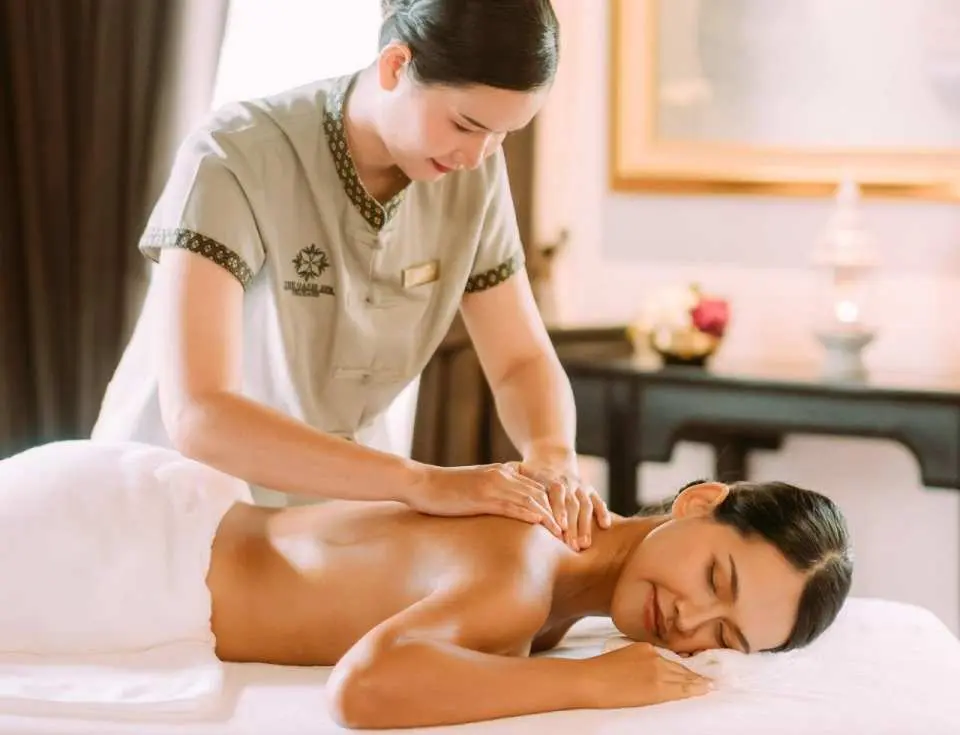
Massage should not be treated as something you simply endure. If pressure feels too strong, a stretch is uncomfortable or an area is particularly sensitive, it is reasonable to say so. Different people respond to pressure differently, and travel can make muscles feel more tender than usual.
Any injuries, recent surgery, pregnancy or health concerns should also be mentioned before the session. This gives the therapist the opportunity to adapt the treatment appropriately rather than discovering an issue midway through.
The objective is to leave feeling more comfortable. Stronger pressure is not automatically more effective, particularly if it causes you to tense up throughout the treatment.
Leave Some Space Afterwards
One of the easiest ways to lose the benefit of a treatment is to rush straight back into a packed schedule. If possible, follow it with a simple meal, a quiet walk or a slower evening rather than another demanding activity.
Recovery should be viewed as part of travelling well. It allows you to enjoy the remaining days with more energy and less physical fatigue.
A good trip is not measured only by the number of places visited. Giving the body time to recover can make every experience afterwards more enjoyable, which is why a thoughtfully timed massage can be just as worthwhile as another item on the sightseeing list.