
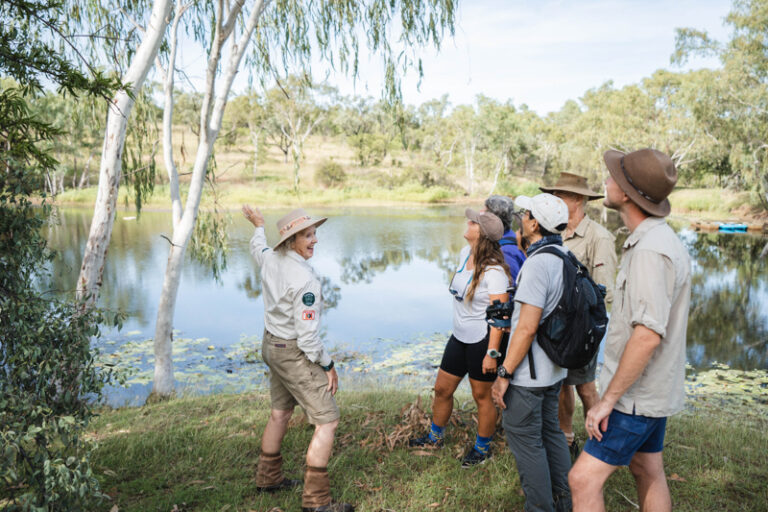
Tour guides play a critical role in the travel and tourism industry, acting as the bridge between travelers and the cultural, historical, and natural attractions of a destination. A professional tour guide ensures that travelers enjoy a seamless, educational, and memorable journey while providing local insights and practical assistance. Understanding the role, responsibilities, and skills of a tour guide can significantly enhance the travel experience for tourists.
What is a Tour Guide?
A tour guide is a professional who leads and assists travelers at various destinations, providing commentary, insights, and logistical support. Tour guides can operate in different settings such as historical sites, national parks, cities, and specialized tours like culinary or adventure trips. Their role extends beyond providing information; they ensure safety, engagement, and a positive experience for all travelers.
Key Roles of a Tour Guide:
- Educating travelers about the history, culture, and significance of destinations
- Assisting with itineraries, transportation, and accommodation
- Ensuring guest safety and comfort throughout the tour
- Facilitating interactive experiences like cultural workshops, local events, or wildlife encounters
- Acting as a liaison between tourists and local businesses, authorities, or communities
Types of Tour Guides
Tour guides can specialize in different types of travel experiences, depending on the audience, location, and purpose of the tour.
Sightseeing Tour Guides
Sightseeing tour guides focus on city tours, monuments, museums, and popular attractions. They provide historical and cultural context, ensuring travelers understand the significance of each site.
Key Features:
- Detailed knowledge of landmarks, art, architecture, and history
- Ability to manage group dynamics and timing
- Providing practical advice on transportation, food, and accessibility
Adventure Tour Guides
Adventure tour guides lead travelers through outdoor activities such as trekking, mountaineering, rafting, or wildlife safaris. They ensure participants’ safety while offering expert advice on the environment.
Highlights:
- Specialized knowledge in outdoor skills and survival techniques
- Safety protocols and emergency response training
- Motivation and guidance for physically demanding activities
Cultural and Heritage Tour Guides
These guides focus on local traditions, rituals, festivals, and heritage sites. They provide immersive experiences that allow travelers to connect with the destination’s culture.
Features:
- Expertise in local customs, language, and traditions
- Conducting workshops, cooking classes, or artisan visits
- Enhancing cultural appreciation and responsible tourism
Specialized Tour Guides
Some tour guides cater to niche interests, including:
- Culinary guides – focusing on food tours and tasting experiences
- Eco-tour guides – emphasizing sustainability, conservation, and nature education
- Religious or spiritual guides – leading pilgrimages or spiritual retreats
- Photography guides – providing tips and guidance for capturing iconic shots
Skills Required to Be a Tour Guide
Being a successful tour guide requires a combination of technical knowledge, interpersonal skills, and adaptability.
- Communication Skills: Clear, engaging, and multilingual communication is essential for guiding groups effectively.
- Local Knowledge: In-depth understanding of history, culture, geography, flora, and fauna ensures accurate information delivery.
- Organizational Skills: Managing itineraries, transport, accommodations, and timing requires meticulous planning.
- Problem-Solving Skills: Handling emergencies, unexpected delays, or conflicts requires quick decision-making.
- Interpersonal Skills: Tour guides must maintain a friendly, professional demeanor while interacting with diverse groups.
- Physical Fitness: For outdoor and adventure tours, stamina and health are crucial.
- Adaptability: Adjusting to weather, group preferences, and unforeseen changes ensures smooth operations.
Benefits of Hiring a Professional Tour Guide
Travelers can enjoy numerous advantages by hiring a professional tour guide for their trips.
- Enhanced Learning: Guides provide context and stories that transform sightseeing into an educational experience.
- Local Insights: Tour guides share hidden gems, local eateries, and off-the-beaten-path attractions.
- Time Efficiency: Guided tours ensure optimal use of time, avoiding long lines and confusion.
- Safety and Comfort: Experienced guides handle logistics and emergencies, allowing travelers to relax.
- Cultural Respect: Guides teach visitors about local etiquette, fostering responsible tourism.
- Personalized Experience: Many guides customize tours based on group interests, preferences, or special needs.
How to Choose the Right Tour Guide
Selecting a qualified tour guide is essential for a satisfying travel experience.
- Check Credentials: Look for certifications from tourism boards, professional associations, or recognized training programs.
- Read Reviews: Online platforms and travel forums provide insight into guides’ performance, professionalism, and reliability.
- Consider Language Skills: Choose guides who communicate effectively in your preferred language.
- Evaluate Specialization: Ensure the guide’s expertise aligns with your travel interests, such as history, nature, or adventure.
- Ask About Group Size: Some guides handle large groups, while others focus on personalized or small-group experiences.
- Discuss Costs and Inclusions: Clarify fees, transportation, meals, and entry tickets to avoid hidden charges.
The Role of Technology in Modern Tour Guiding
Technology has transformed the tour guide profession, offering enhanced tools for both guides and travelers.
- Digital Maps and Apps: GPS, mobile apps, and interactive maps improve navigation and site interpretation.
- Virtual Tours: Some guides offer virtual experiences or augmented reality (AR) features to enrich the tour.
- Online Booking: Travelers can easily book guides through dedicated websites or mobile platforms.
- Social Media and Reviews: Guides leverage social media for marketing, sharing itineraries, and connecting with potential clients.
Challenges Faced by Tour Guides
Despite the rewards, tour guiding comes with challenges that professionals must navigate.
- Language Barriers: Communicating with international travelers may require multilingual skills or interpreters.
- Weather Conditions: Outdoor tours depend heavily on weather, requiring flexibility and contingency plans.
- Group Dynamics: Managing diverse personalities and expectations can be demanding.
- Physical Demands: Long walking tours, climbing, or outdoor activities require stamina and resilience.
- Regulatory Compliance: Adhering to local laws, permits, and tourism regulations is essential.
Future Trends in Tour Guiding
The industry continues to evolve with changing traveler preferences, technology, and sustainability practices.
- Sustainable Tourism: Guides are increasingly promoting eco-friendly tours and responsible travel.
- Personalized Experiences: Customized itineraries and small-group tours are gaining popularity.
- Digital Integration: Virtual guides, apps, and AI assistance enhance convenience and engagement.
- Cultural Immersion: Travelers are seeking more authentic experiences through workshops, homestays, and interactive activities.
- Safety and Hygiene Focus: Post-pandemic trends emphasize sanitation, contactless experiences, and health-conscious travel.
Conclusion
Tour guides are an integral part of the travel experience, providing knowledge, safety, and memorable interactions. Their expertise allows travelers to explore destinations confidently while gaining insights into local culture, history, and natural wonders. By selecting the right guide and leveraging modern technology, travelers can transform ordinary trips into extraordinary journeys. Whether for sightseeing, adventure, cultural immersion, or niche experiences, a professional tour guide ensures that every moment of travel is informative, safe, and enjoyable.
FAQs on Tour Guides
1. What qualifications are required to become a professional tour guide?
Most tour guides require certification from recognized tourism boards, proficiency in relevant languages, and in-depth local knowledge. Additional training in safety and first aid is often beneficial.
2. How can I find a reliable tour guide for my trip?
You can find guides through online booking platforms, travel agencies, tourism boards, or recommendations from past travelers. Reading reviews and checking credentials ensures reliability.
3. Do tour guides only provide historical information?
No, tour guides offer a variety of services including cultural insights, adventure guidance, local cuisine exploration, wildlife interpretation, and logistical assistance.
4. Are tour guides necessary for every travel destination?
While not always mandatory, hiring a tour guide enhances understanding, safety, and convenience, especially in unfamiliar or culturally rich destinations.
5. How much does hiring a tour guide cost?
Costs vary depending on location, tour duration, specialization, group size, and inclusions such as transportation or entry tickets. It’s advisable to confirm fees upfront.
6. Can tour guides accommodate special requests?
Yes, many professional guides customize tours based on interests, physical abilities, or special occasions like family trips, photography, or culinary experiences.
7. How do technology and tour guides work together?
Guides use apps, GPS, virtual tours, and online booking systems to enhance navigation, engagement, and convenience, providing a modern and seamless travel experience.